
Ask about peptide therapy or medical weight loss, get your questions answered, and leave with a plan from a licensed provider. The doses discussed below are drawn from published research and physician-directed compounded protocols and are provided for education, not as self-administration instructions. Some mitochondrial DNA variants affecting MOTS-c appear more common in long-lived populations. Within the aging and mitochondrial-support space, MOTS-c is sometimes mentioned alongside compounds like NAD+ precursors and Epitalon. Repair-focused peptides such as BPC-157 and TB-500 are studied primarily for tissue healing and recovery, acting mainly on local repair processes and angiogenesis. Because MOTS-c influences glucose metabolism, there is a theoretical concern about effects on blood sugar in people taking diabetes medications, which underscores the need for medical oversight.
In a clinical setting this is handled by the compounding pharmacy or trained staff; the https://motscco.com/evidence/how-to-take-mots-c-peptide walkthrough below explains the process for education and is not an instruction to self-compound gray-market vials. A first-in-human Phase I safety evaluation reported no serious adverse events with subcutaneous MOTS-c at doses up to approximately 10 mg, and pharmacokinetics consistent with intermittent dosing. Titration — beginning near the low end and increasing only if a dose is well tolerated — is standard for good reason. Your provider sets frequency based on goals, tolerability, and the specific protocol.
For researchers exploring longevity peptides, MOTS-c offers a mechanism distinct from compounds like epitalon that work through telomerase. For context among fat burning peptides, MOTS-c operates through different mechanisms than compounds like AOD-9604 or visceral fat targeting peptides. For those researching compounds to support healthy glucose metabolism, MOTS-c represents a fundamentally different approach than many alternatives. Research shows the peptide can reverse age-related insulin resistance in muscle specifically. MOTS-c is primarily studied in the context of mitochondrial and metabolic biology, whereas other peptides address differing biological or therapeutic claims. MOTS-c involvement in AMPK and glucose metabolism suggests a possible interaction with medications for diabetes such as metformin.
In mice fed a high-fat diet, MOTS-c administration reduced fat accumulation and reversed both diet-induced and age-related insulin resistance, in some experiments without any reduction in food intake. Endogenous MOTS-c rises after a bout of exercise, and it falls with age, but neither observation means injecting it substitutes for training. Both target mitochondrial function, but through completely different mechanisms. MOTS-c is a 16-amino-acid peptide from the 12S rRNA gene, primarily studied for metabolic regulation and exercise-mimetic effects. Humanin is a 24-amino-acid peptide encoded by the 16S rRNA gene, primarily studied for neuroprotection and anti-apoptotic effects.
Why individual responses vary so dramatically
For a safe alternative, consider compounds that are legally compounded in the United States under doctor supervision. Staying informed ensures that any future availability of MOTS‑C aligns with legal and safety standards. While MOTS‑C cannot be obtained through standard compounding channels, interested individuals can stay informed about potential future changes.
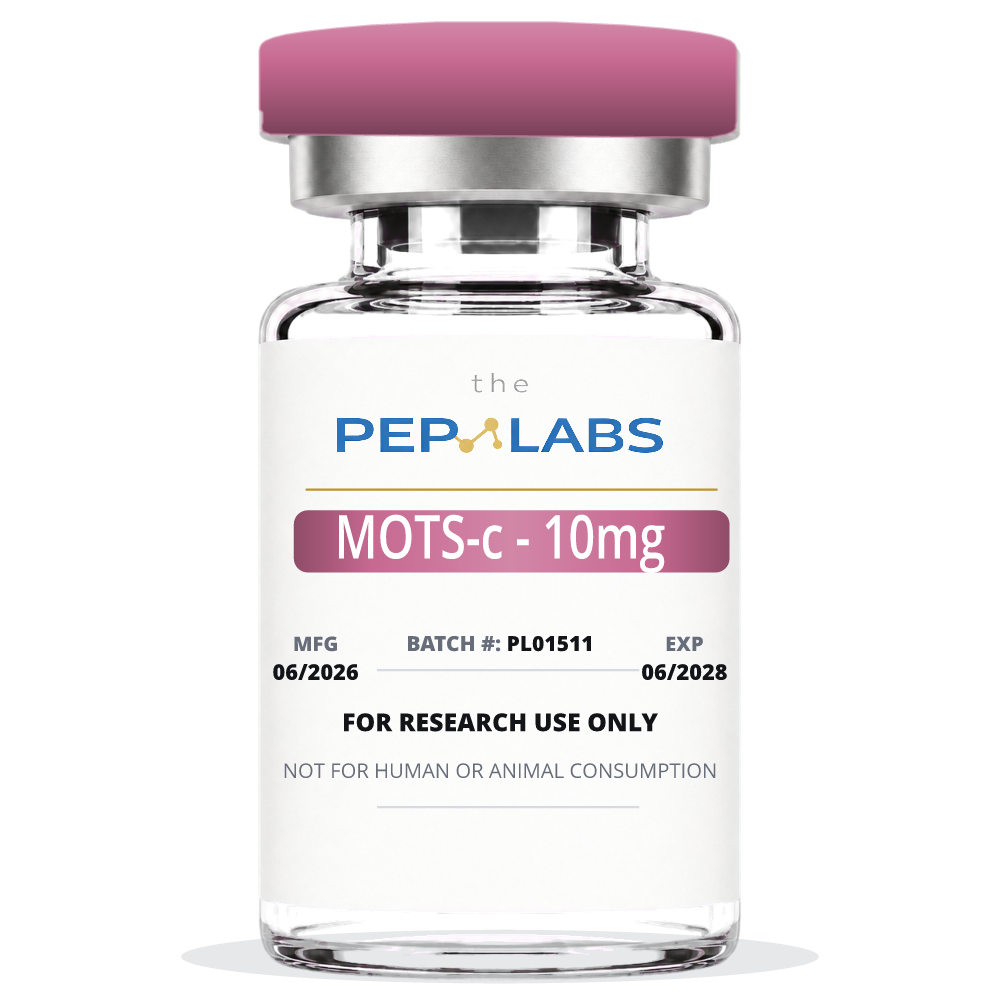
The approval, standardization, safety, or proper labeling of OTC MOTS-c products is not indicated. MOTS-c is classified within a particular category of peptides derived from mitochondria. As a validated therapy for purposes related to weight loss, anti-aging, metabolism, or performance, it has not been established. The claims made are not backed by existing research at a clinical level. Frequently, current assertions about MOTS-c surpass the scientific evidence that is available.
What Does MOTS-c Actually Feel Like?
When combined with a calorie-conscious diet and training, MOTS-c enhances insulin sensitivity and fat oxidation, facilitating gradual fat loss. The purity of peptides from transparent vendors that conduct third-party testing, such as Kylo Peptides, is more crucial than the precise dosage. Typically, before-and-after photos found online include simultaneous diet, exercise, or usage of other peptides. A GHRH analog, Tesamorelin stimulates the secretion of growth hormone and targets visceral fat specifically. By suppressing appetite, Semaglutide facilitates quicker and more significant weight loss, which may increase the chance of losing lean muscle. An illustration of a vendor adhering to a transparent third-party lab verification standard is Kylo Peptides.
Introduce bacteriostatic water gradually along the inner side of the vial, avoiding direct contact with the powder, and roll the vial instead of shaking it. Most vendors price a 10mg vial between $60 and $90 and do not offer larger quantities. No effect on cognition was observed at doses that enhanced physical capacity in mice. It is more suitable for optimizing your metabolism and preventing fat gain while engaging in training and maintaining a healthy diet. If you seek rapid and dramatic weight loss akin to the results produced by GLP-1 drugs, MOTS-c is not the appropriate option.

Vials intended for research purposes sold in the U.S. are designated solely for laboratory and research use. According to concerns regarding stability cited by community and clinical sources specifically for MOTS-c, use should occur within 2-3 weeks. Research conducted by Lee and colleagues (2015, Cell Metabolism) demonstrated that MOTS-c diminished obesity and insulin resistance in mice fed a high-fat diet. In reported usage, lower doses or administering in the morning may help address fatigue.