
Debunking common casino myths What the odds really say
The House Always Wins
One of the most pervasive myths about casinos is the belief that “the house always wins.” While it’s true that casinos are designed to maintain a profit margin, this phrase oversimplifies the experience of gambling. Many players do win, and some even achieve life-changing payouts. The house edge varies by game, with some games offering better odds than others. For instance, blackjack often has a lower house edge compared to slot machines, meaning players can enjoy longer playtime with better chances of winning. It’s similar to how fans of the highly anticipated movie can visit https://gundamfreedomfilm.co.uk/ for updates and excitement around its release.
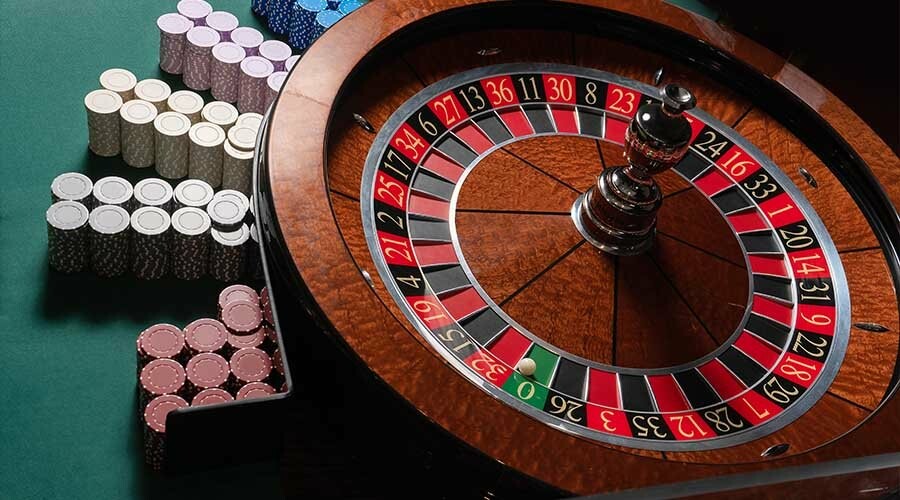
Understanding the house edge is crucial for any gambler. It refers to the mathematical advantage that the casino holds over players. In games like roulette or craps, the house edge can be as high as 5%, while in blackjack, it can drop to as low as 1%. This means that, theoretically, for every $100 bet, players can expect to lose $1 in blackjack compared to $5 in roulette. Thus, while the house does have an advantage, informed players can make strategic decisions to enhance their winning potential.
Moreover, the notion that the house always wins can deter casual players from participating. In reality, casinos thrive on a mix of winners and losers. Promoting an understanding of odds can encourage responsible gambling and create a more engaging experience. Recognizing that wins are possible, albeit unlikely, empowers players to enjoy the thrill of gaming without falling prey to defeatist attitudes.
If You Win, You’re Due to Lose
A common belief among gamblers is the idea that after a streak of wins, one is “due” for a loss. This myth stems from a misunderstanding of probability and the independent nature of each gaming event. For example, if a player wins on a slot machine multiple times, it does not mean they are more likely to lose on the next spin. Each spin is an independent event, governed by random number generators, making past outcomes irrelevant to future results.
This misconception can lead players to make poor betting decisions based on emotions rather than logic. For instance, a player might increase their bets after a series of wins, believing they are “on a roll.” In reality, their chances remain the same, regardless of previous outcomes. Recognizing that each game operates independently allows players to approach gambling with a clearer mindset, focusing on strategy rather than superstition.
Moreover, casinos utilize this myth to their advantage. When players believe they are “due” for a loss, they may gamble recklessly, feeding the casino’s profits. By understanding that odds remain constant and independent, players can make more informed decisions and potentially extend their enjoyment of the gaming experience without undue risk.
Slot Machines Are Fixed
Another prevalent myth is that slot machines are rigged to prevent players from winning. This belief often arises from personal experiences of long losing streaks. However, modern slot machines operate on complex algorithms designed to ensure fairness and randomness. Each spin is determined by a random number generator, which guarantees that past outcomes do not influence future spins, making claims of rigging unfounded.
The reality is that casinos must adhere to strict regulations regarding the payout percentage of slot machines. This percentage indicates the average amount a player can expect to win back over time, typically ranging from 75% to 98%. Such regulations are put in place to promote fairness and transparency in the gaming industry. By understanding how these machines operate, players can approach them with realistic expectations, recognizing that while they may not always win, the game is not inherently fixed against them.
Furthermore, casinos continuously monitor their machines to ensure compliance with regulatory standards. This means that the idea of a slot machine being “rigged” is not only a myth but also a violation of the law. Players should focus on enjoying the experience and playing responsibly rather than succumbing to unfounded fears about fairness and integrity in slot gaming.
Your Luck Can Change at Any Moment
The belief that luck is a fluctuating force, capable of turning on a dime, permeates casino culture. While luck undeniably plays a role in gambling, it is essential to understand that it is not a quantifiable element that can be manipulated. A player may feel that their fortune has turned while playing a game, but in reality, it is the underlying odds and strategies that dictate outcomes over time.
This myth can lead players to engage in superstitious behaviors, such as wearing lucky charms or performing rituals before placing bets. While these practices may enhance the gambling experience, they do not influence the results of games governed by chance and probabilities. Players should instead rely on informed decision-making and an understanding of odds, which can lead to more sustainable and enjoyable gambling experiences.
Recognizing the limits of luck can also help manage expectations. Players who understand that luck is random are less likely to chase losses or become frustrated after a losing streak. This perspective fosters a healthier approach to gambling, allowing individuals to enjoy the excitement without the emotional rollercoaster that often accompanies superstitious beliefs about luck.
Understanding Casino Culture and Responsible Gaming
Casinos represent a blend of entertainment, excitement, and social engagement. They play a significant role in cultural contexts across the globe, often serving as vibrant hubs where individuals gather to enjoy gaming, dining, and entertainment. However, amidst this allure, understanding the myths surrounding casinos is crucial for promoting responsible gaming and informed participation.
Responsible gaming involves recognizing the odds and making informed choices about time and money spent gambling. By debunking prevalent myths, players can foster a healthier relationship with gaming activities. Awareness of the reality behind casino games helps individuals appreciate the thrill of the experience while minimizing the risk of developing gambling-related issues. This balance is essential for sustaining a positive gaming environment that is both entertaining and safe.
Websites that promote responsible gaming often provide valuable resources, including tools for setting limits, understanding odds, and accessing support for those who may need it. By fostering an open dialogue about the realities of gaming, these platforms contribute to a healthier casino culture. Engaging with such resources can empower players to enjoy their time at the casino responsibly, ensuring that the experience remains fun and enjoyable for everyone involved.